
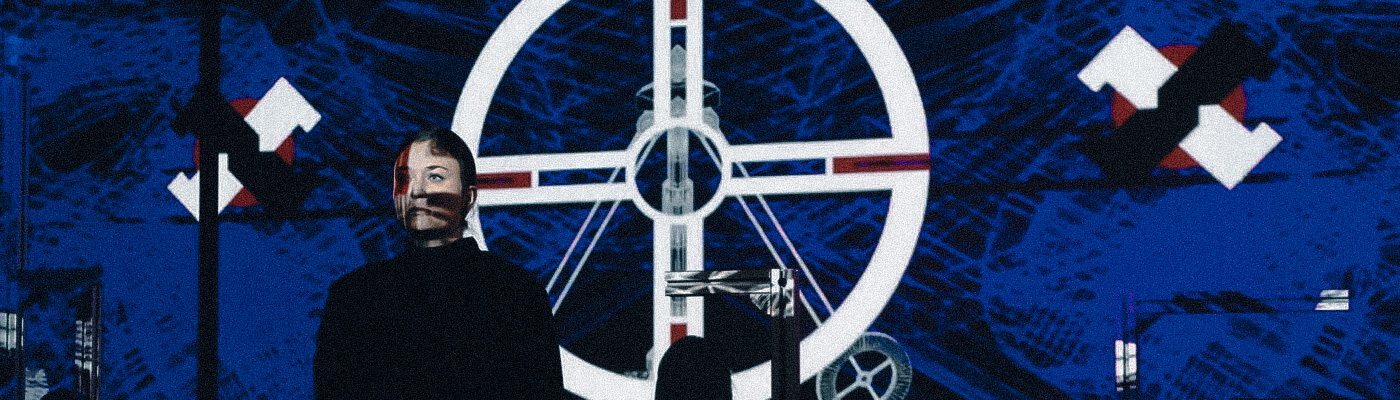
Video is used in theatre in various ways to enhance the visual and narrative elements of a performance. It allows for creative storytelling, visual effects, and the expansion of artistic possibilities. The use of video in theatre requires collaboration between directors, set designers, technical crews and the video designer, to ensure seamless integration with other theatrical elements. When used thoughtfully, video can enhance the storytelling, create visually stunning effects, and contribute to a more immersive and engaging theatrical experience for the audience.
Projection Mapping
Video projection mapping involves projecting images or videos onto three-dimensional surfaces, such as set pieces or props, to create dynamic and immersive visual displays. This technique can transform the appearance of objects on stage and add depth to the scenic design.
Backgrounds and Environments
Video is often used to create virtual backgrounds or environments that set the mood or location of a scene. This can include abstract visuals that enhance the overall atmosphere of the production or realistic depictions of landscapes nad cityscapes.
Digital Backdrops
Instead of traditional painted backdrops, digital projections can serve as backdrops, allowing for more versatility in creating different settings and scenes. This is particularly useful for productions with rapid scene changes or those set in various locations.
Special Effects
Video is employed for special effects that are challenging to achieve with traditional stagecraft. Elements that enhance the visual impact of key moments in the performance.
Storytelling Enhancements
Video can be used to convey additional information, backstory, or context to the audience. This might involve historical footage, animated sequences, or pre-recorded segments that support and enrich the narrative.
Live Feeds
Live video feeds of performers can be projected onto screens during the performance. This allows the audience to see close-ups or details that may be difficult to observe from their seats. Live feeds can also create a sense of intimacy and immediacy.
Interactive Elements
Advancements in technology enable interactive video elements that respond to the actions or movements of performers. This interactive engagement between live actors and digital elements can create unique and dynamic theatrical experiences.
Digital Scenography
Video is integrated into the overall scenography, combining with traditional set design elements to create a cohesive and visually rich environment. This approach blurs the line between physical and digital elements on stage.
Animation and Motion Graphics
Animated sequences and motion graphics can be used to visualize abstract concepts, sequences, or other elements that benefit from dynamic, moving visuals.
Informational, Documentary Video or Historical Footage
Productions with informational, historical or documentary themes may incorporate animated video material or real-world footage to provide context or evoke a specific time period.


